

770-255-1313
24hr Emergency Service
770-255-1313
24hr Emergency Service
Multi-Craft Services
Bulk Material Services
Mechanical Services
Multi-Craft Services
Bulk Material Services
Mechanical Services

FGD STACK CONCRETE REPAIR & BEAM POCKET REINFORCEMENT

Power Generation

WORK PERFORMED

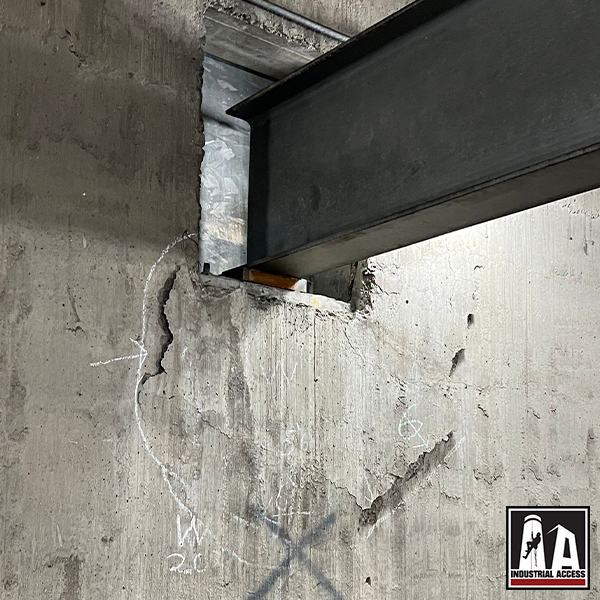
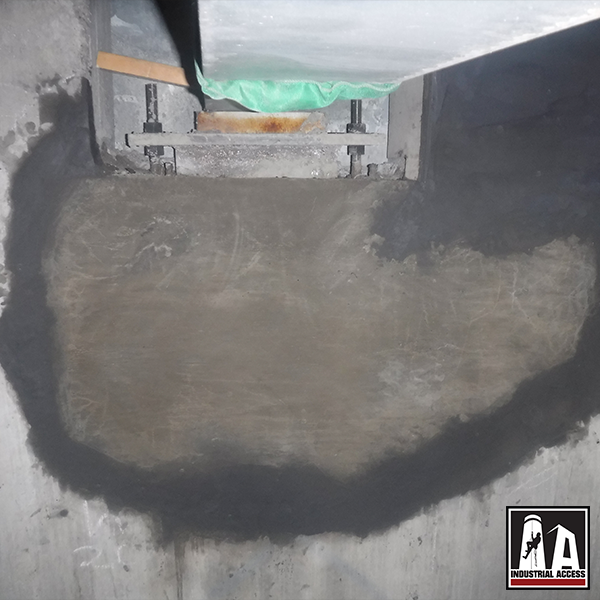
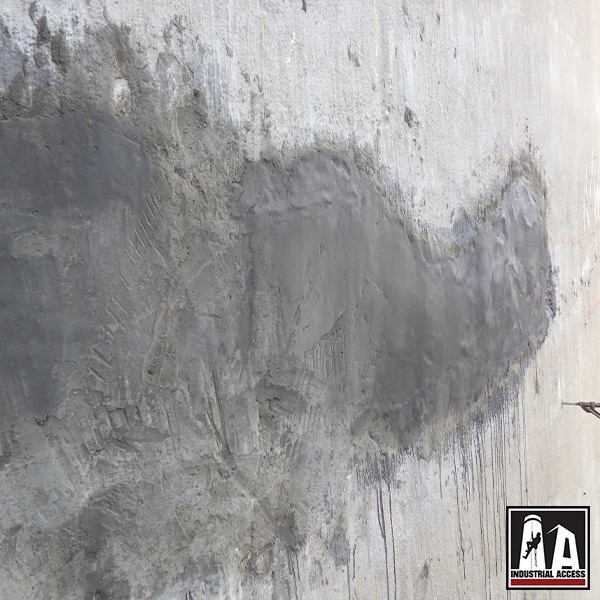
  • Repair of spalled concrete at beam pockets
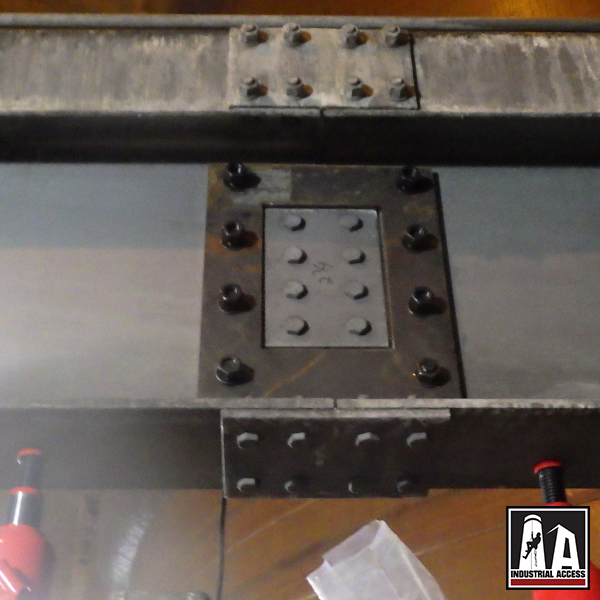
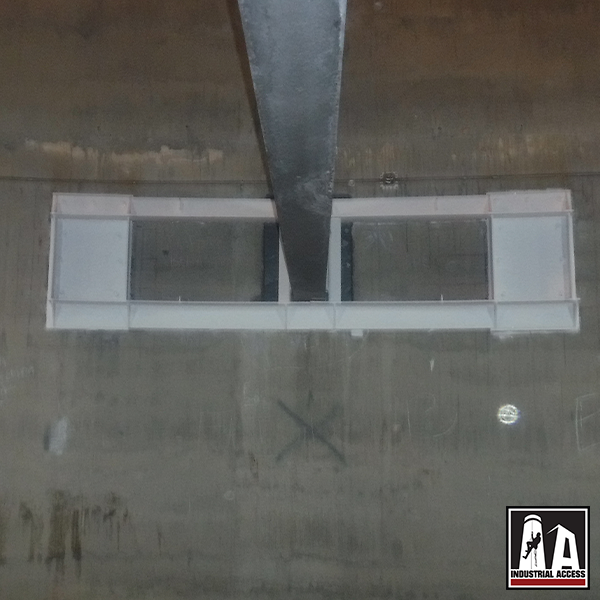
  • Structural steel modifications to support beam connections
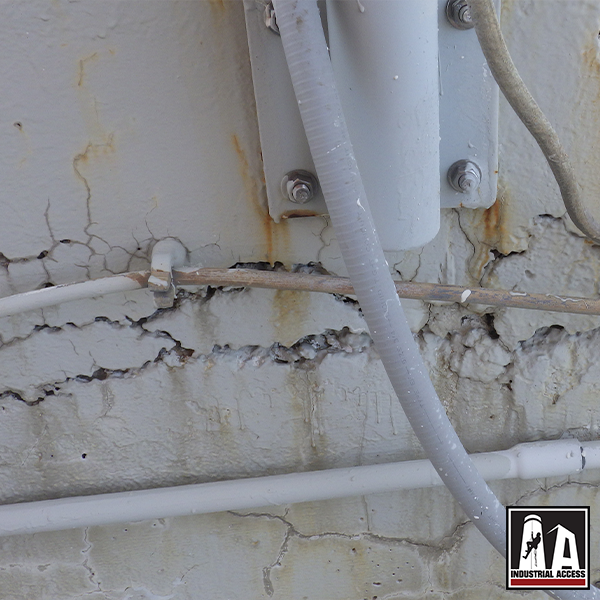
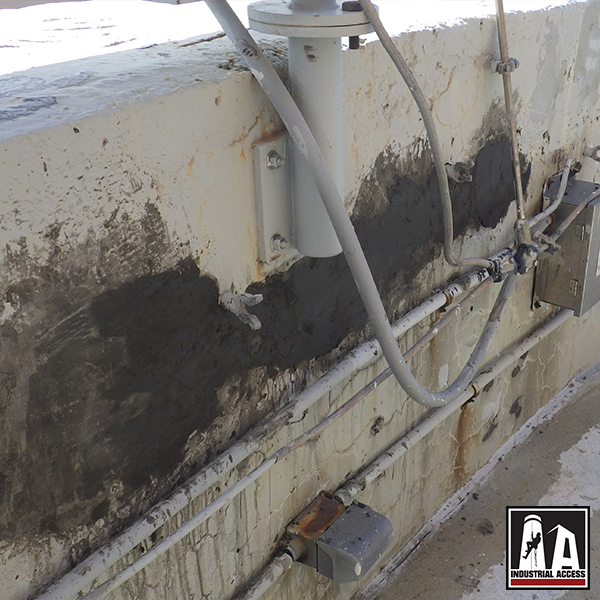
  • Repair of spalled exterior concrete shell
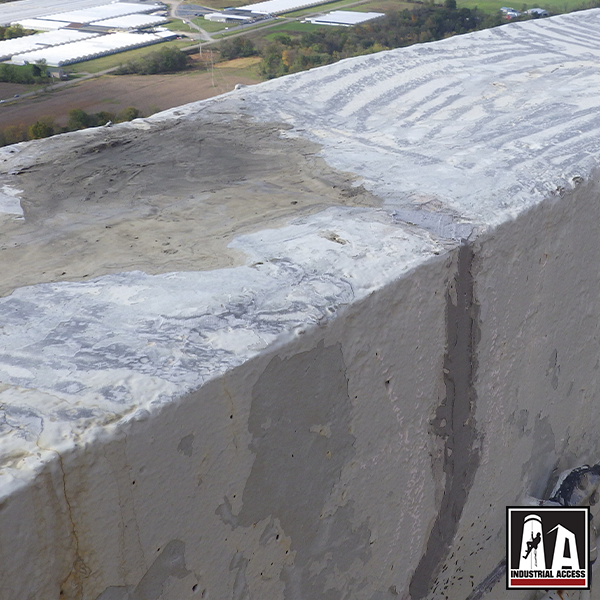
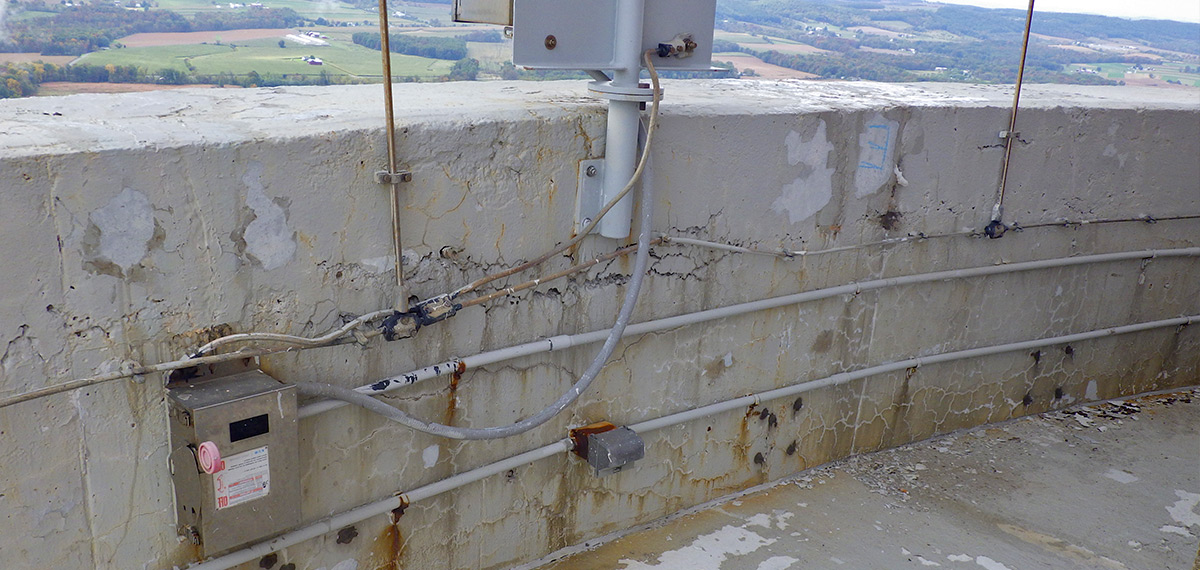
  • Rooftop concrete crack repair & waterproofing

SUMMARY

Industrial Access performed structural repairs and rehabilitation on a 700’ reinforced concrete exhaust stack experiencing concrete deterioration and beam support distress. Inspection findings identified significant spalling at beam pockets within the alignment guide system, along with cracking and surface degradation on the exterior shell and rooftop structures. The project scope focused on restoring damaged concrete and implementing engineered modifications to beam connections to accommodate thermal movement to extend the service life of the structure.

TIME

Project completed in around 3 weeks

COST

Rope access saves up to a third of the cost compared to other access alternatives

SAFETY

Completed without any near misses or safety incidents

CLIENT NEED
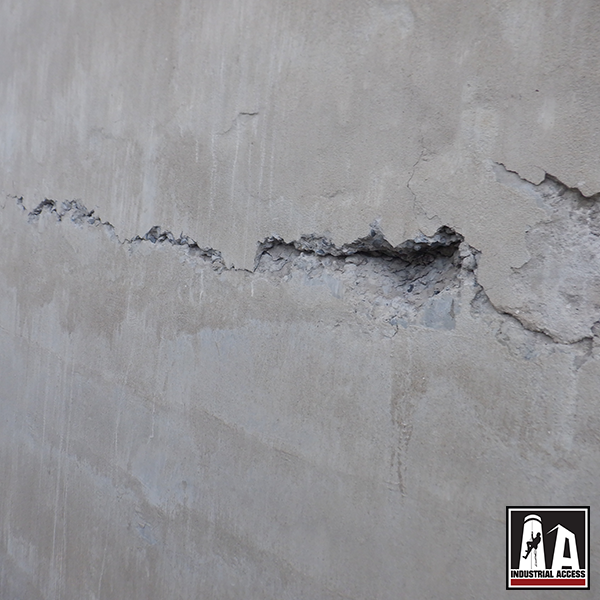
A power generation facility in the northeastern United States contracted Industrial Access (IA) to perform a comprehensive inspection of a 700’ reinforced concrete FGD chimney. IA first conducted exterior and interior assessments of the structure. The inspection identified several areas of concern requiring corrective action: significant spalling and concrete deterioration were observed at beam pocket locations within the alignment guide system, particularly at one elevation where damage suggested abnormal loading conditions. Additional deficiencies included cracking and localized spalling on the exterior concrete shell and parapet wall, as well as coating failure and moisture intrusion at the rooftop level. Interior observations also revealed irregularities in beam connections, including gaps and misalignment, indicating potential structural inefficiencies.

Further evaluation determined that the primary cause of the beam pocket deterioration was likely related to over-constrained beam connections, which restricted thermal movement and introduced repeated stress into the surrounding concrete during temperature fluctuations. Based on these findings, the client required a repair program that would not only restore damaged concrete and structural components but also address the underlying design limitations contributing to the deterioration. The scope of work ultimately focused on structural rehabilitation and connection modifications to ensure long-term performance and reliability of the structure.

ACCESS

To complete the inspection and repair work, IA technicians primarily utilized rope access techniques in combination with existing platforms and ladders. Rope access allowed crews to safely reach critical areas along the full height of the structure, including exterior surfaces and interior liner sections, without the need for extensive, time-consuming access equipment. For repair work at beam pocket locations, scaffolding was installed to provide safe, accessible working conditions. This combination of specialized access methods enabled efficient, controlled execution of repairs in challenging, high-elevation environments.

SOLUTION

To carry out beam support repairs, temporary supports were first put in place to relieve load from the affected beams, enabling crews to remove loose and deteriorated concrete without compromising structural stability. All damaged material was removed, and exposed reinforcement steel was cleaned and treated with corrosion-inhibiting compounds before being encapsulated with high-performance repair mortar to restore the concrete walls.

Concurrent with the concrete repairs, structural modifications were implemented in accordance with engineered design updates to address the root cause of the beam pocket deterioration. Custom steel support frames were installed at beam connection points to improve performance under thermal movement. These elements were field-fitted, welded, and coated to reinforce the beam pockets and provide enhanced load transfer while accommodating movement. Beam connections that were identified as uneven were reinforced with additional plating to ensure the beams were leveled.

Additional repairs were performed on the exterior concrete shell and parapet areas where cracking, spalling, and voids had developed. Deteriorated sections were ground out, cleaned, and rebuilt using durable repair mortar to restore surface continuity and protect internal rebar. To address ongoing moisture intrusion, the rooftop surface was thoroughly cleaned and prepared before the application of a multi-layer waterproofing system. Cracks were sealed, reinforcing mesh was installed where required, and a series of coating layers were applied to create a continuous protective barrier, helping to prevent future water infiltration and extend the service life of the structure.

RESULTS

All repairs were completed safely and in accordance with engineered design requirements, effectively addressing the primary areas of structural deterioration and distress. The restoration of the beam pockets and surrounding concrete eliminated compromised material and reinstated the structural capacity of the alignment guide system. Exterior concrete repairs restored the integrity of the structure’s shell, while the rooftop repair and waterproofing system successfully mitigated pathways for moisture intrusion. All of these measures have enhanced the overall durability, performance, and reliability of the structure, reducing future safety risks.

For additional information about our company and services we provide, please give us a call anytime

770-255-1313
Call Now Button